Showing posts with label World Wildlife Day. Show all posts

Friday, March 03, 2023

Dia Mundial da Vida Selvagem ! SOS Animais e Plantas !


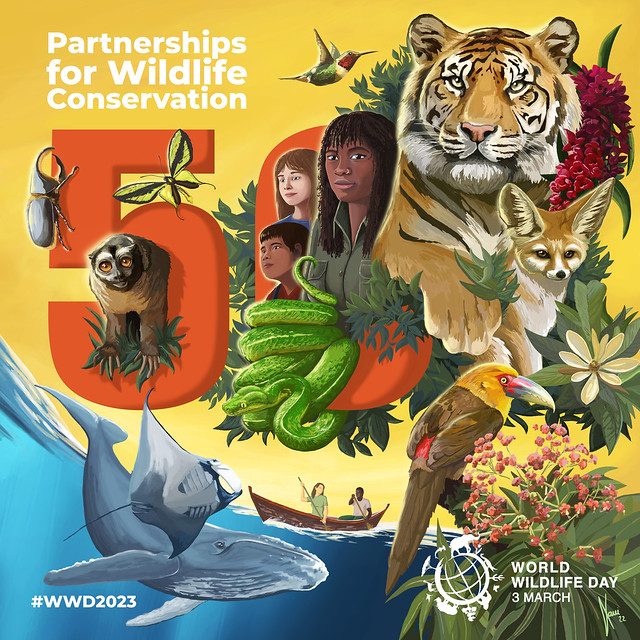
Dia Mundial da Vida Selvagem/ World Wildlife Day

credits: UN

https://www.un.org/

Biliões de pessoas, em países desenvolvidos e em desenvolvimento, beneficiam diariamente do uso de espécies selvagens para alimentos, energia, materiais, medicina, recreação, inspiração e muitas outras contribuições vitais para o bem-estar humano.

A aceleração da crise global da biodiversidade, com um milhão de espécies de plantas e animais enfrentando extinção, ameaça essas contribuições para as pessoas.


Sustainable Development Goal 15

O Dia Mundial da Vida Selvagem (WWD) é uma oportunidade para celebrar as muitas formas belas e variadas de fauna e flora selvagens e aumentar a consciencialização sobre a imensidão de benefícios que sua conservação oferece às pessoas. 

Ao mesmo tempo, o dia lembra-nos a necessidade urgente de intensificar a luta contra o crime da vida selvagem e a redução de espécies induzidas pelo homem, que têm impactos económicos, ambientais e sociais imensos. 

Dados esses vários efeitos negativos, a meta de desenvolvimento sustentável 15 se concentra na interrupção da perda de biodiversidade.


Parcerias para a Conservação da Vida Selvagem

https://www.un.org/


O Dia Mundial da Vida Selvagem será comemorado em 2023 sob o tema:

 "Parcerias para a conservação da vida selvagem"honrando as pessoas que estão fazendo a diferença.

As parcerias operam em larga escala, envolvendo escolas e estudantes. 


Outreach Material

  • Actividades:

Podem organizar vendas escolares, material elaborado pelo alunos nas aulas curriculares, para apoiar um grupo de conservação;

Podem publicar fotografias online para aumentar a consciencialização sobre as espécies ameaçadas de extinção. Todos actividades são válidas;

Aqui encontrarão vários outreach outreach materials.


  • Atenção! Usem a hashtags #WorldWildlifeDay

Em 2024, a ONU celebra uma parceria especial: 50º aniversário da Convenção sobre Comércio Internacional de Espécies Ameaçadas de Fauna e Flora (CITES).


Billions of people, in developed and developing nations, benefit daily from the use of wild species for food, energy, materials, medicine, recreation, inspiration and many other vital contributions to human well-being.

The accelerating global biodiversity crisis, with a million species of plants and animals facing extinction, threatens these contributions to people.

  • World Wildlife Day will be celebrated in 2023 under the theme:

"Partnerships for wildlife conservation", 

honoring the people who are making a difference.


World Wildlife Day (WWD) is an opportunity to celebrate the many beautiful and varied forms of wild fauna and flora and to raise awareness of the multitude of benefits that their conservation provides to people. At the same time, the Day reminds us of the urgent need to step up the fight against wildlife crime and human-induced reduction of species, which have wide-ranging economic, environmental and social impacts. 


Sustainable Development Goal 15


Given these various negative effects, Sustainable Development Goal 15 focuses on halting biodiversity loss.


  • Did you know?
  • 50,000 Wild Species Meet Needs of Billions Worldwide.
  • 1 in 5 people around the world rely on wild species for income and food, while 2.4 billion people depend on wood fuel for cooking.
  • It seems surprising, but cacti, seaweeds, giraffes, parrots, and oak trees are groups of species endangered. Currently there are one million species under threat.


All schools and students can participate:

  • Share what you've learned with your friends and family.
  • Spread the word, especially to children and youth. They are the future leaders of wildlife conservation and they deserve a future where we humans live in harmony with wildlife that share the planet with us. 

Here are some outreach materials.


Remember to use the hashtags #WorldWildlifeDay 


Geração 'green'

03.03.2023


source: United Nations


Thursday, March 03, 2016

Dia Internacional da Vida Selvagem : #InOurHands ! Elephants


«Neste Dia Internacional da Vida Selvagem, peço a todos os cidadãos do mundo que se empenham, pessoas empresas e poderes públicos  na contribuição da protecção das espécies animais e vegetais selvagens do planeta. O fututo das espécies selvagens depende de cada um de nós. O futuro da vida selvagem está nas nossas mãos.»
Message Secretary-General Ban Ki-moon
(tradução livre)

Celebra-se hoje, 3 Março, o Dia Internacional da Vida Selvagem.
O objectivo deste dia criado em 2013 pela ONU é celebrar a fauna e a flora do planeta, bem como alertar para os perigos do tráfico de espécies selvagens animais. 
O dia 3 de Março foi escolhido dado que foi neste dia, em 1973, que se teve lugar a Convenção sobre o Comércio Internacional das Espécies de Fauna e Flora Selvagens Ameaçadas de Extinção, CITES.


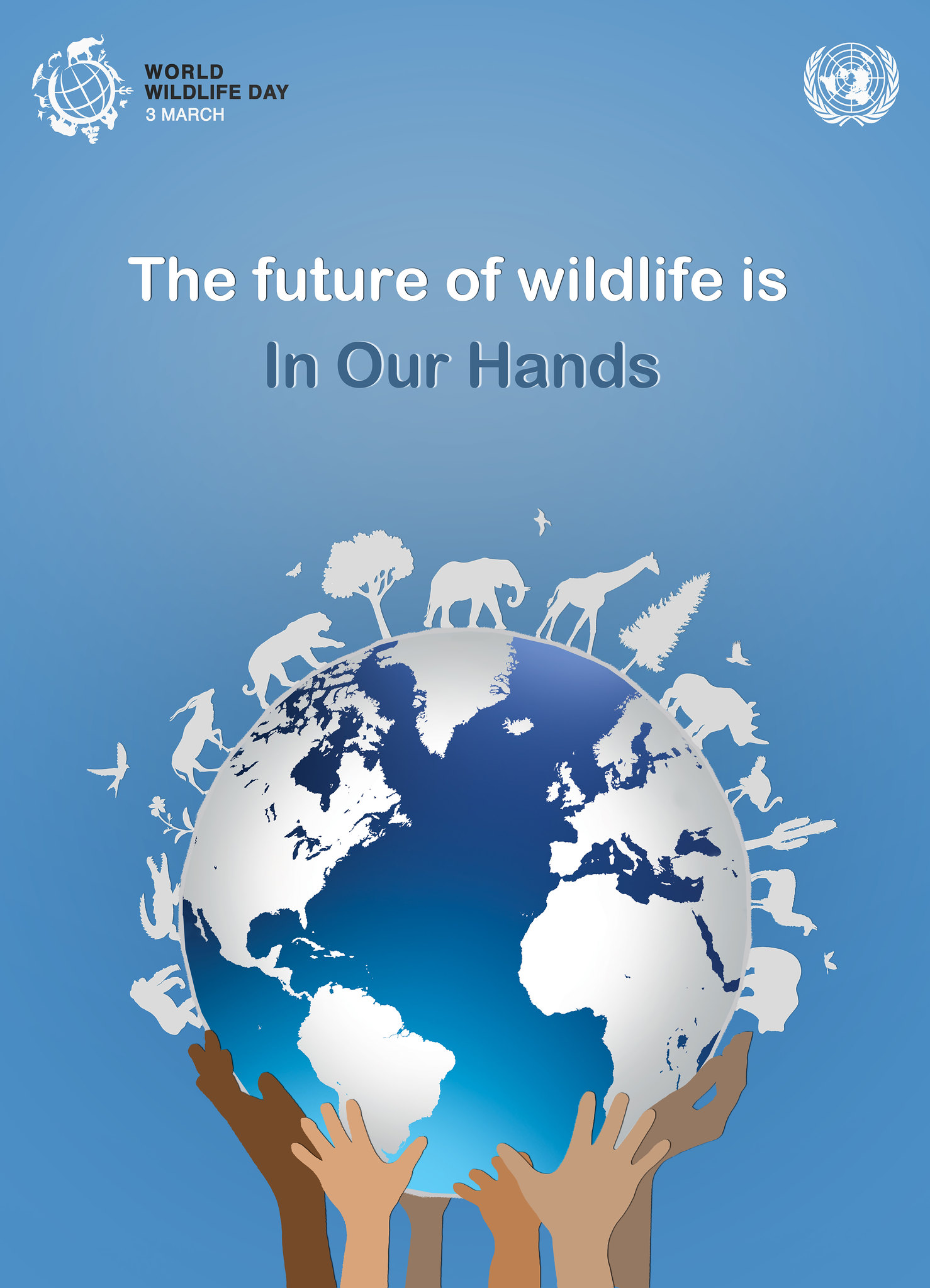
The future of wildlife is
In Our Hands
O tema do Dia Internacional da Vida Selvagem de 2016 é "O futuro da vida selvagem está em nossas mãos", com destaque para a protecção do elefante africano e asiático.
Em 2015 o tema foi o combate ao crime organizado. De acordo com a ONU, o tráfico de animais e a caça valem até 213 mil milhões de dólares por ano.
Este dia tenta relembrar o contributo das plantas e dos animais selvagens para o desenvolvimento sustentável e para o bem-estar em geral da humanidade, além dos perigos diários que a vida selvagem corre em diversas frentes. 


O futuro dos elefantes está nas nossas mãos
Segundo os dados da ONU temos:
  • 20.000 a 25.000 elefantes mortos anualmente em África
  • 100.000 elefantes africanos mortos de 2010 e 2012
  • 1.215 rinocerontes mortos em 2014 na África do Sul
  • 220 número de chimpanzés mortos em 2014
  • 1 milhão de pangolins retirados do seu habitat em dez anos

Há imensas Actividades propostas no site da ONU. Escolhamos a que melhor se adapte ao que podemos fazer neste dia e juntemos a nossa mensagem a muitas outras pelo mundo.

Os professores podem convidar os alunos a seleccionar as Actividades que eles desejam, de modo a que contribuam para a defesa da vida selvagem, e especialmente este ano, para a defesa dos elefantes.

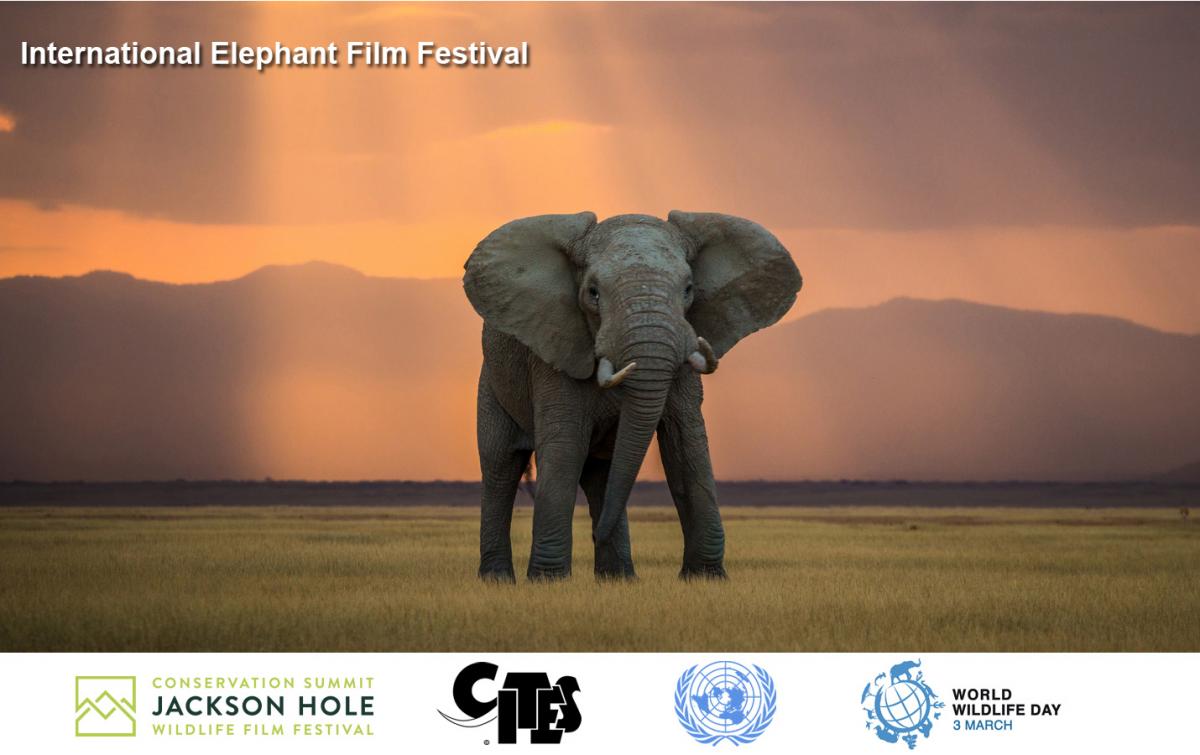
International Elephant Film Festival foi organizado. Os vencedores serão conhecidos hoje, 3 Março num evento especial na sede da UN em Nova Iorque para marcar o Dia Intl da Vida Selvagem.


World Wildlife Day is an opportunity to celebrate the many beautiful and varied forms of wild fauna and flora and to raise awareness of the multitude of benefits that conservation provides to people. At the same time, the Day reminds us of the urgent need to step up the fight against wildlife crime, which has wide-ranging economic, environmental and social impacts.


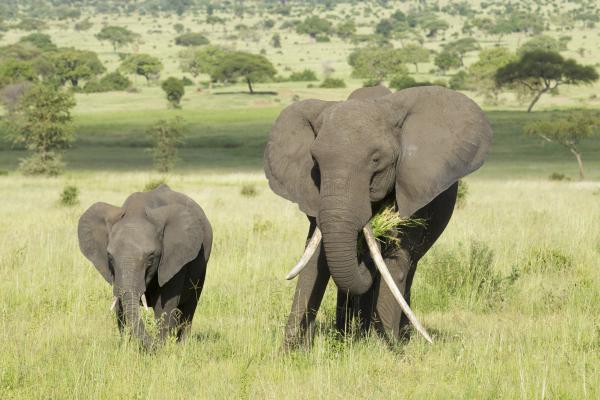
The future of elephants is in our hands

2016 theme is The future of wildlife is in our hands, with African and Asian elephants being the main focus of global campaigns.


The future of elephants is in our hands
credits©bigstockphoto.com/Stu Porter

The theme “The future of wildlife is in our hands” reinforces the inextricable link between wildlife, people and sustainable development. It is the responsibility of each generation to safeguard wildlife for the following generation. It also imparts the pressing need for national action to ensure the survival in the wild of both charismatic and lesser known species.
An estimated 100,000 elephants were slaughtered for their ivory tusks between 2010 and 2012 to meet a growing demand in Asia, where raw tusks sell for around $1,100 per kilogram. 
Most illegal ivory currently comes from the African elephant. But Asian elephants remain at risk. Thousands of elephants are also taken from their wild habitats and sold in the live elephant trade to be used in the tourism industry in countries like Thailand.


Numbers:
100,000 African elephants were killed between 2010 & 2012 for their ivory – saving them is #InOurHands.
As few as 3200 tigers exist in the wild today. Stop the #poaching. The future of #tigers is #InOurHands 
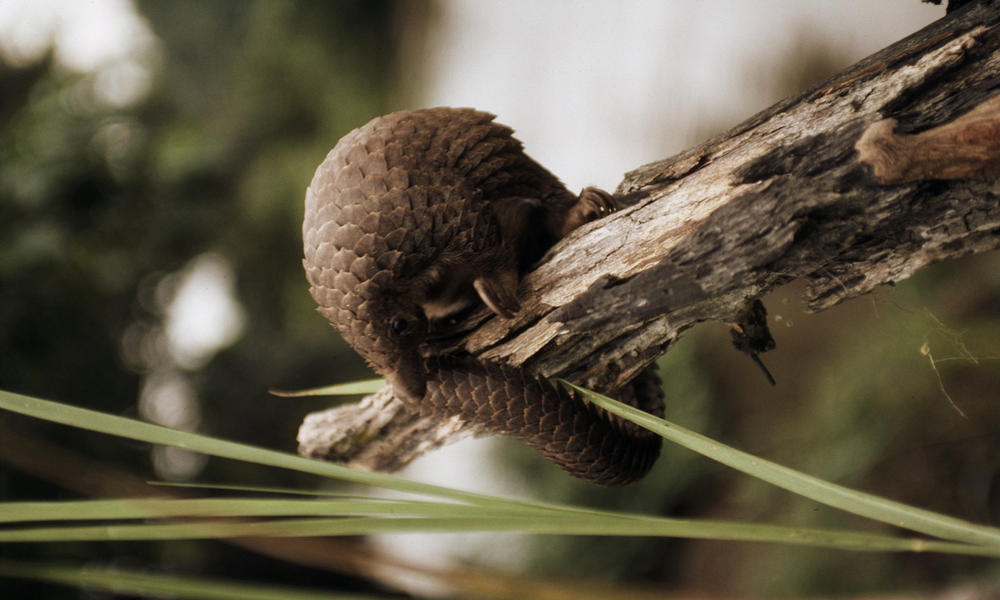
The pangolin
credits: John E. Newby / WWF-Canon 
Did you know the pangolin is the most poached mammal in the world? One of the most trafficked mammals in Asia and, increasingly, Africa, pangolins are in high demand both for their meat and for their scales, which are used in traditional medicine—and as love charms. All eight pangolin species are protected under national and international laws. Two are listed as Endangered on the IUCN Red List. Roughly 220,000 pangolins have been seized in trade since the year 2000 and that’s likely just a fraction of those illegally sourced to primarily Asian markets.
Their future is #InOurHands. #Wildlife conservation is a shared responsibility. 


An International Elephant Film Festival was organized. The winners will be announced on 3 March at a high-level event at the UN Headquarters in New York to mark the World Wildlife Day
The future of elephants is #InOurHands. Guaranteeing that future generations can witness elephants in their natural habitats is our hands!
The poaching level of rhinos in Africa remains alarmingly high. Let's #EndWildlifeTrafficking #InOurHands #WWD2016.
There are some important Activities that we can be involved on WWD websiteIf you’re in need of a little inspiration to determine how you can help to protect wildlife,  here are some examples of what you can do on  World Wildlife Day and how you can help protect wildlife  every day! You can then pass on your ideas to all of your connections. 
Geração 'green'
03.03.2016
Creative Commons License